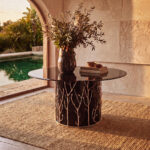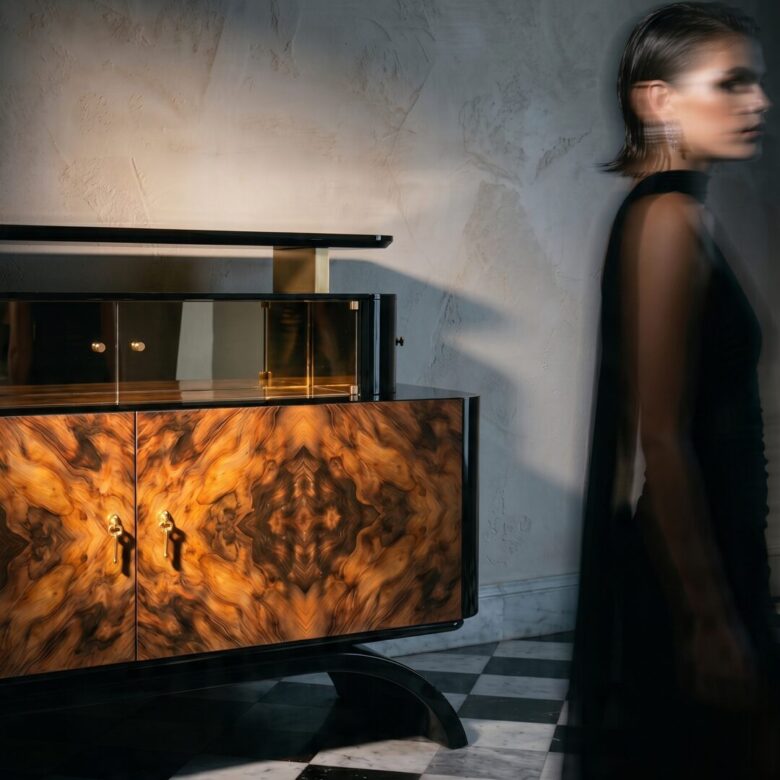
“In the golden glow of Paris between the wars, a new woman emerged—defined not by convention, but by conviction,” reads the introduction to our collection The Women of Art Deco. “This collection is our tribute to her. To the women who shaped the spirit of Art Deco Paris—muses, creators, visionaries.” It’s not a line of marketing copy so much as a mission statement. The collection doesn’t just borrow the silhouettes of 1920s and ’30s Paris — it borrows the names, and with them, a debt of gratitude. Each piece is christened, in keeping with KOKET tradition, “after the women and archetypes” who defined that era: the designers, the painters, the performers, the patronesses, and a few extraordinary women who carried that same spirit well beyond the city limits of Paris.
That tradition isn’t incidental. Celebrating women and empowering through design is the foundation KOKET was built on — every collection, in its own way, carries a piece of that mission forward. The Women of Art Deco is simply the most direct expression of it yet: a collection conceived not just as furniture, but as small acts of remembrance, each one naming a woman whose story deserves to be told out loud.
Who Were the Women of Art Deco Paris That Inspired the Collection?
Art Deco is usually described in terms of material and geometry — lacquer, chrome, brass, mirrored glass. But the movement that took its name from the 1925 Exposition Internationale des Arts Décoratifs et Industriels Modernes was, just as much, a movement of women. Paris between the wars produced a generation of designers, painters, photographers, performers, and patronesses who treated beauty and ambition as inseparable: Eileen Gray building furniture as rigorous as architecture, Tamara de Lempicka painting portraits with the confidence of a dare, Josephine Baker turning a stage into a kind of sovereignty, Gabrielle Chanel arguing that restraint could be its own seduction.
Together, they were the generation of the garçonne — women with cropped hair, driver’s licenses, fashion houses, ateliers, and salons of their own, who treated culture-making as something to participate in rather than wait for permission to join. It’s that generation, real names and all, that KOKET drew from when it came time to name this collection — not as inspiration alone, but as tribute.
Some of the connections below are direct. Others are closer to an echo — a shared sensibility rather than a literal namesake. Here’s the full lineup, piece by piece: who’s being honored, and why.
Eileen Lounge Chair · Modular Sofa · Sofa — Eileen Gray

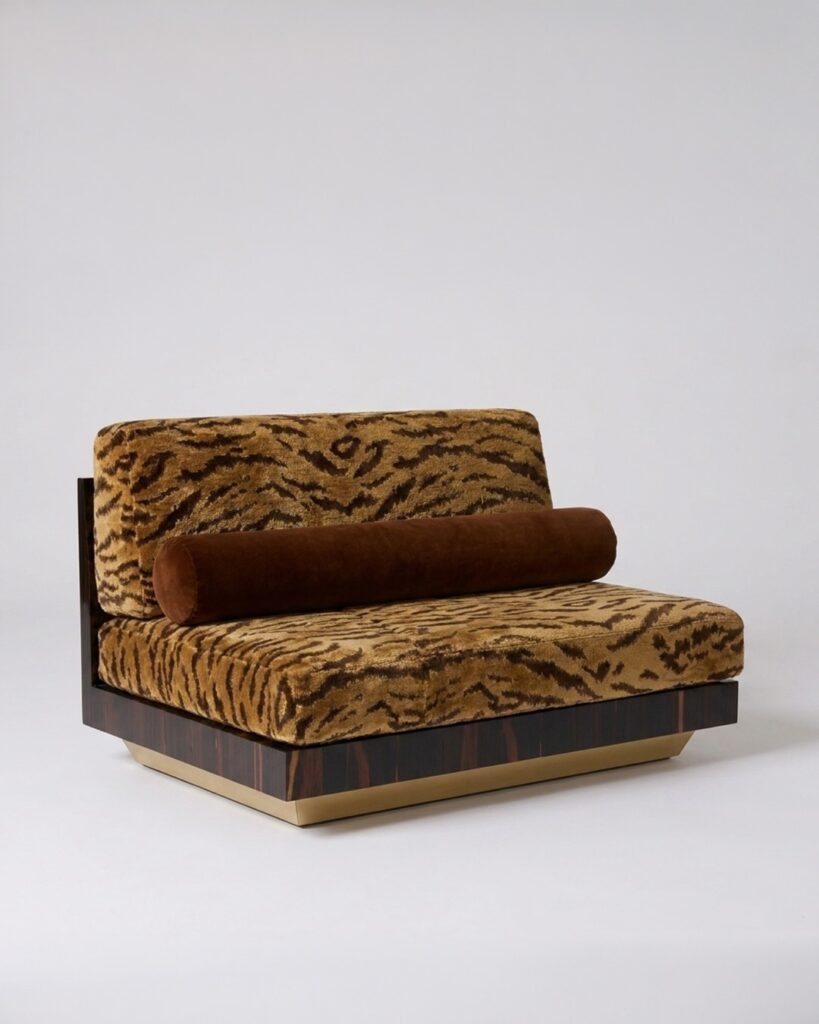
This clean geometric silhouette and polished brass base are a tribute to Eileen Gray, the Irish-born architect and furniture designer who was living Art Deco’s ethos before it had a name. Gray trained in lacquerwork under the Japanese master Seizo Sugawara and built furniture — and her E-1027 house on the French Riviera — so architectural it barely read as furniture at all. For decades, design history credited the movement to the men around her. Naming this piece for her is a small act of setting the record straight.
Delany Display Cabinet — Sonia Delaunay
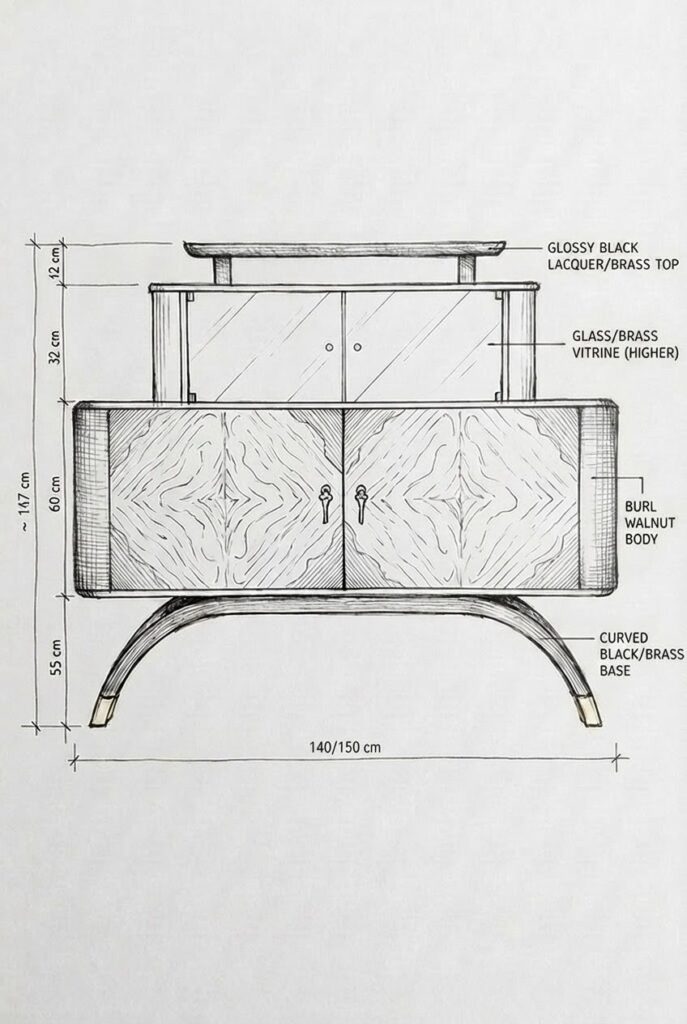
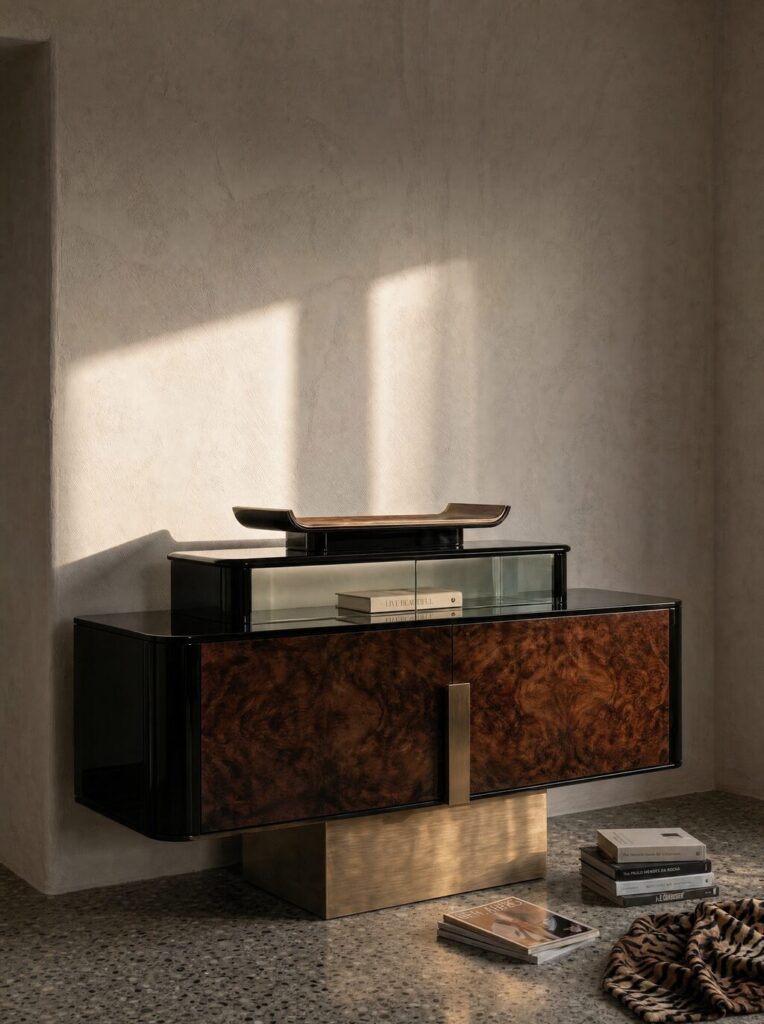
Layered walnut burl, smoked glass, and lacquer honor the color-as-structure logic of Sonia Delaunay, who co-founded the Orphist movement Simultanism with her husband Robert and, in 1925, opened her own fashion house to put that same bold geometry directly onto the body. In 1964, she became the first living woman to have a retrospective at the Louvre — a woman who insisted, decades before anyone was ready to agree, that decoration was structure.
Lucienne Dining Chair — Lucienne Bloch
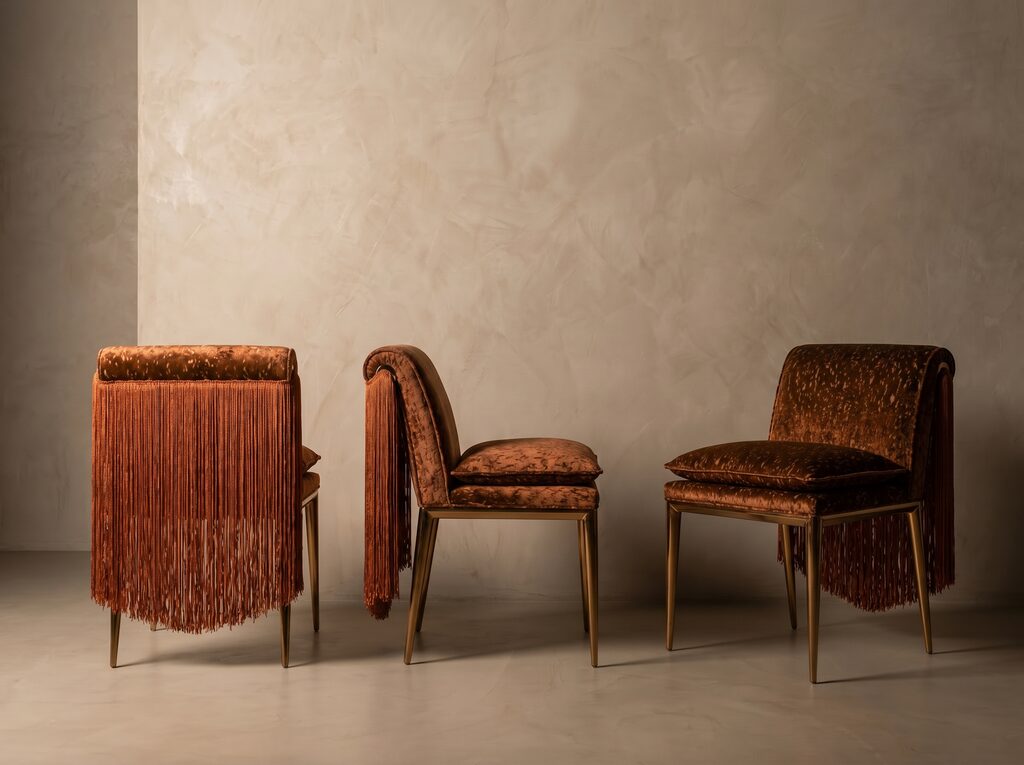
The softly curved backrest and cascading fringe belong to Lucienne Bloch, who was studying sculpture in Paris by the age of fourteen, apprenticing under Antoine Bourdelle and the Cubist painter André Lhote through the 1920s. She’d go on to pioneer glass sculpture design in the Netherlands and, in the U.S., shoot the only surviving photographs of Diego Rivera’s destroyed Rockefeller Center mural — a woman who spent her life making sure other people’s work survived, and whose own deserves the same care.
Odette Sideboard — Odette Pauvert
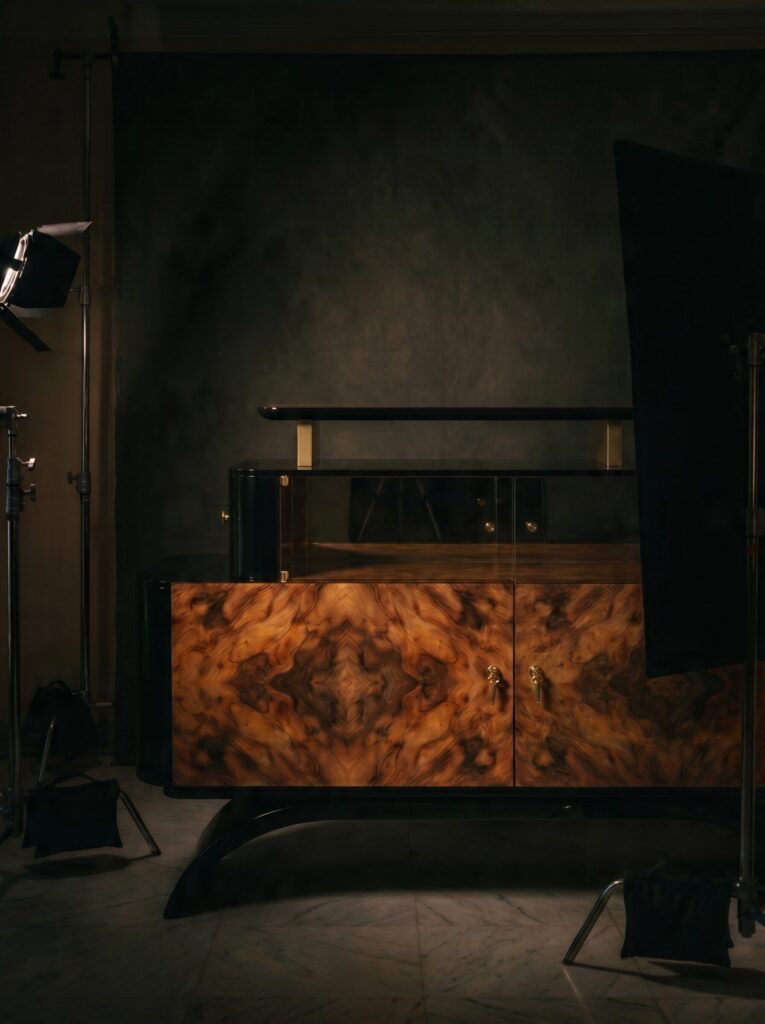
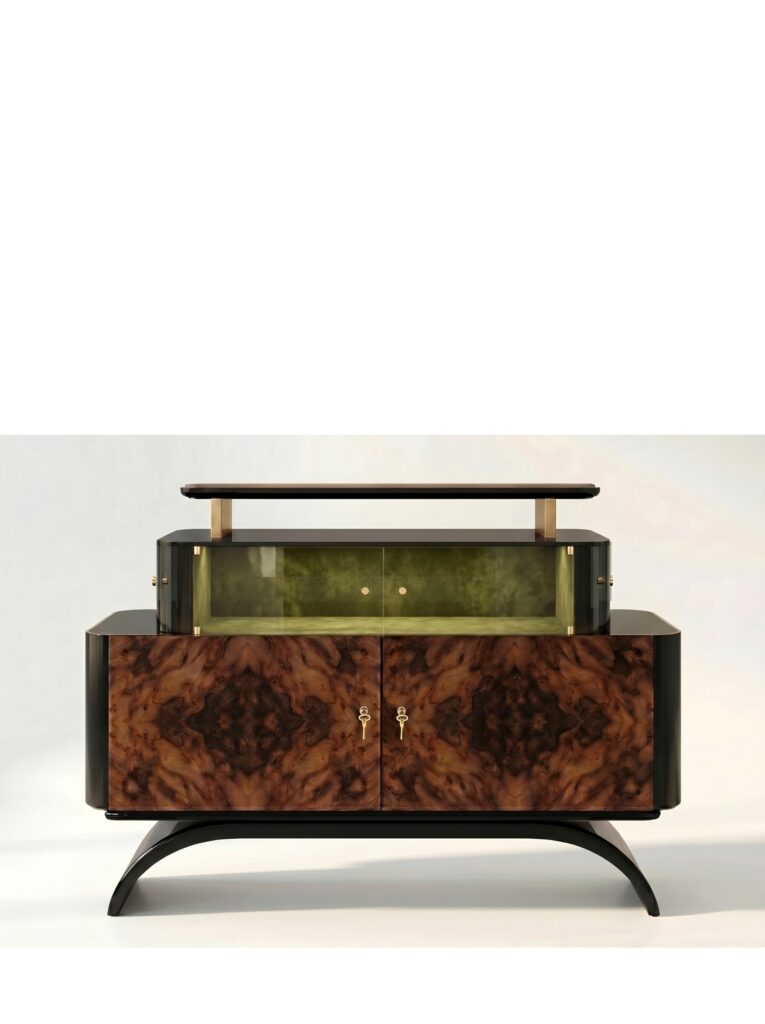
In 1925, Odette Pauvert became the first woman ever to win the Grand Prix de Rome for painting — a prize that had excluded women for its entire history. She returned from three years at the Villa Medici to paint murals for some of Paris’s grandest public commissions, including the 1937 International Exposition. This rounded, refined sideboard is named in honor of a door she opened simply by being undeniable.
Lola Daybed & Chair — Lola Prusac
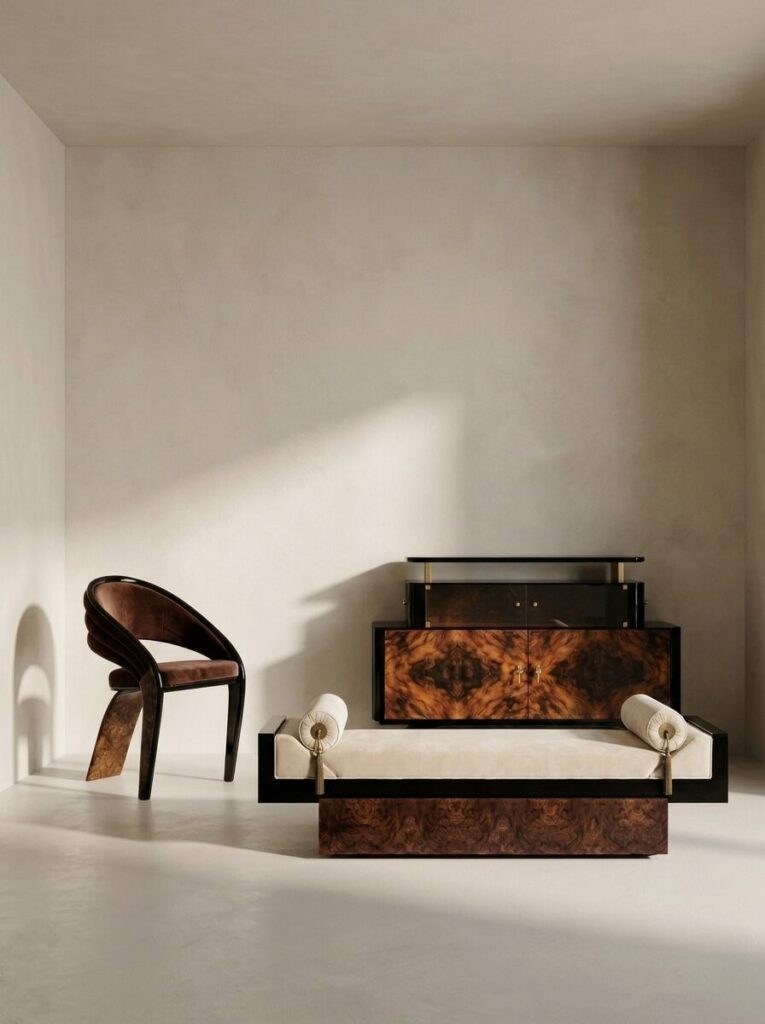
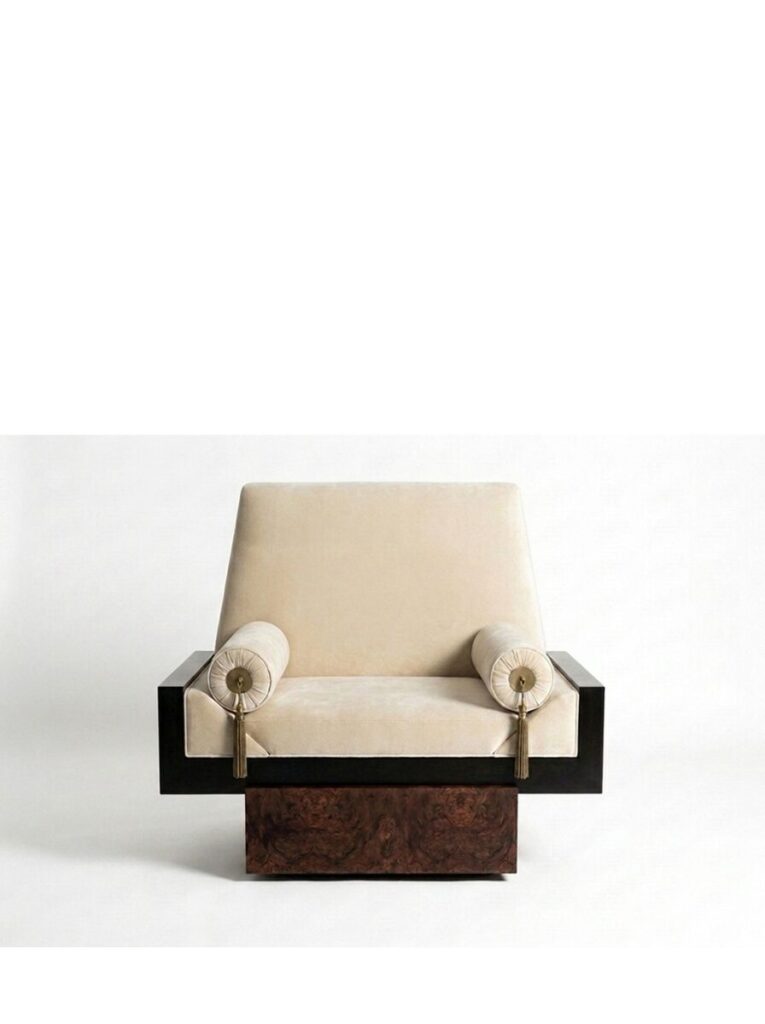
The Polish-born designer joined Hermès in 1925, where she eventually created the house’s first womenswear collection and, in the early 1930s, handbags inlaid with sharp, Mondrian-inspired geometric patterns. She opened her own maison in 1936 — proof that a woman’s vision could move as fluidly through leather goods as it did through architecture, and deserved credit either way.
Tamara & Lemprica — Tamara de Lempicka
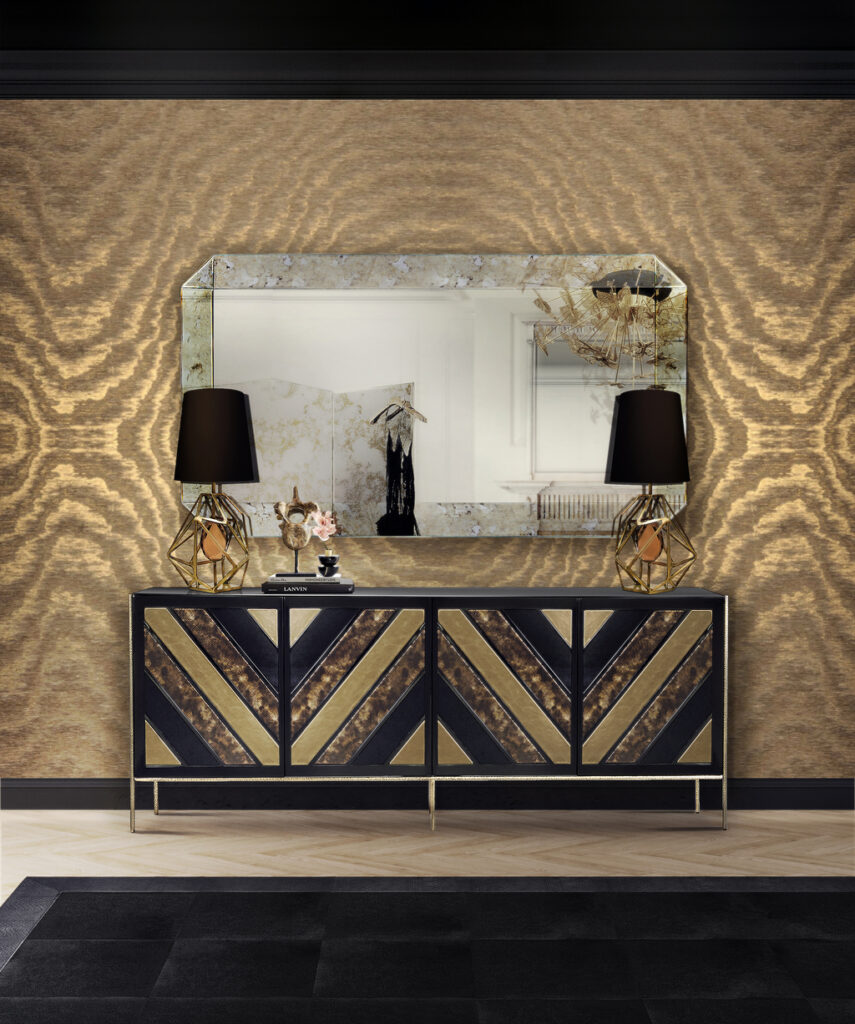
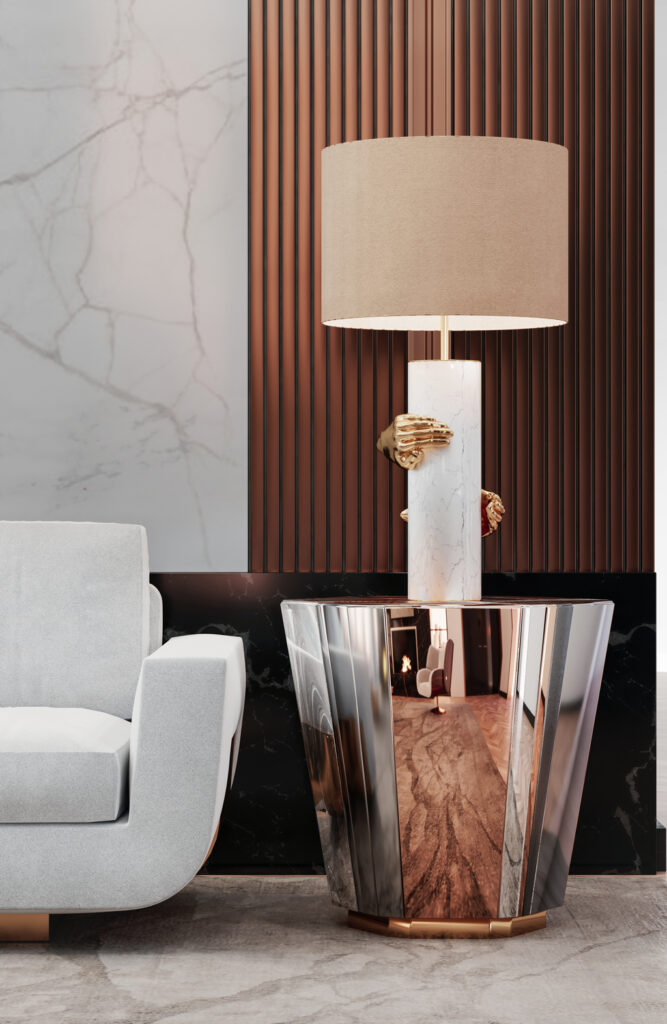
Among the KOKET icons selected for The Women of Art Deco collection, the Tamara and Lemprica pieces carry the name of the era’s defining portraitist. A refugee of the Russian Revolution, Tamara de Lempicka became famous for hard-edged Cubist glamour and a gaze that never asked permission — immortalized in her own self-portrait behind the wheel of a green Bugatti. Few women of the era insisted so plainly on being seen exactly as they wished to be.
Yvette Dining Chair — Yvette Guilbert
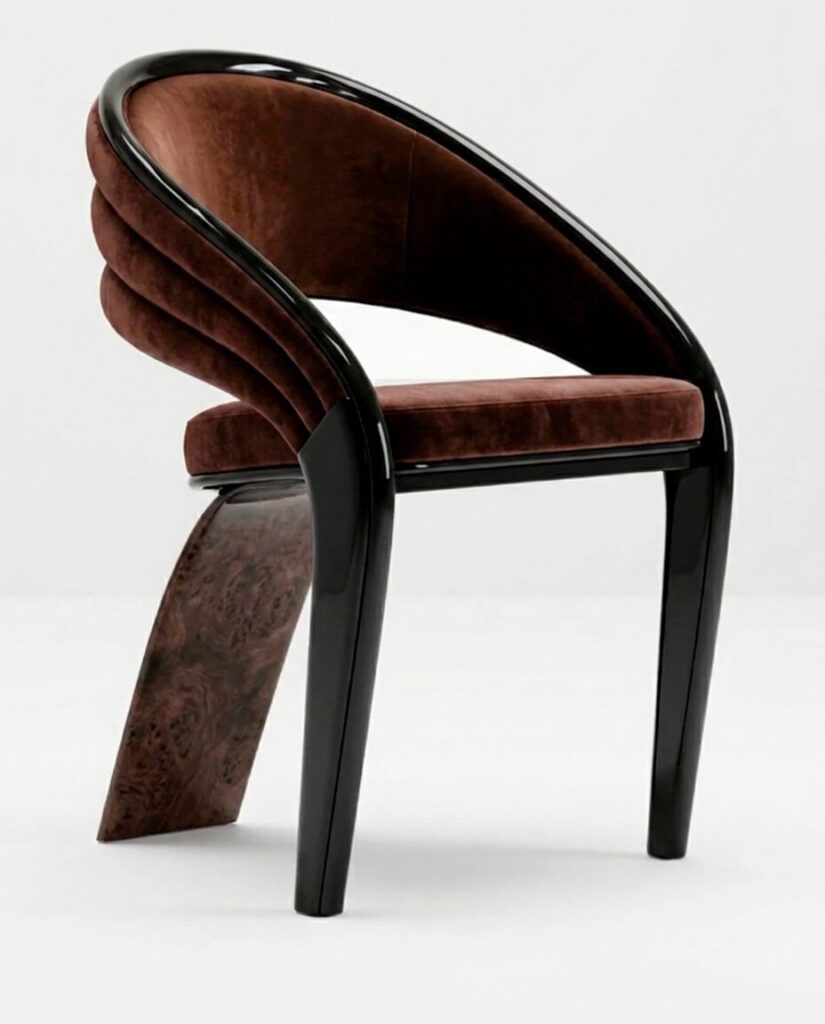
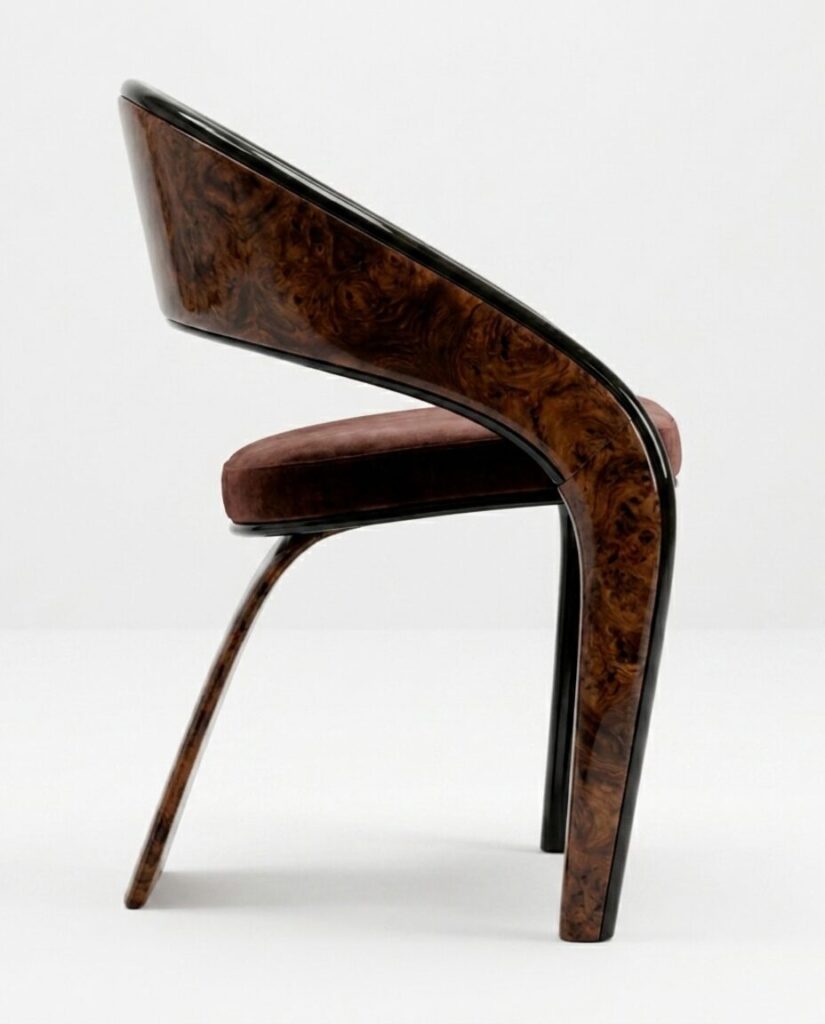
The flowing, open silhouette carries a bit of the nerve of Yvette Guilbert, the cabaret diseuse immortalized in Toulouse-Lautrec’s posters for her elbow-length black gloves and her half-sung, half-spoken songs. She later became a respected scholar of French folk song, awarded the Legion of Honor as the “Ambassadress of French Song” — proof a woman could headline a stage and still be taken seriously as a keeper of culture.
Josephine Vanity Cabinet — Josephine Baker
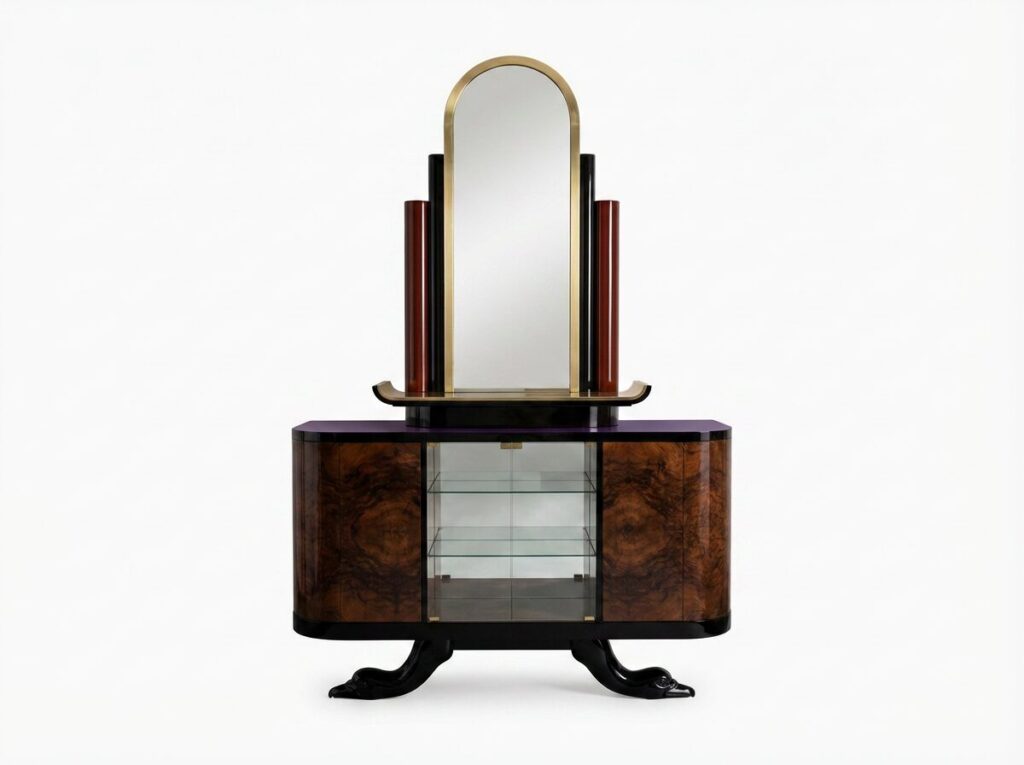
A graceful arched mirror and deep burgundy lacquer are a fitting homage to Josephine Baker, the Folies Bergère sensation who took French citizenship and, during the Second World War, used her fame as cover to smuggle intelligence for the French Resistance — later honored with the Legion of Honor herself. Glamour, in her hands, was never just decoration; it was cover for extraordinary courage.
Gabrielle Dining Chair — Gabrielle Chanel
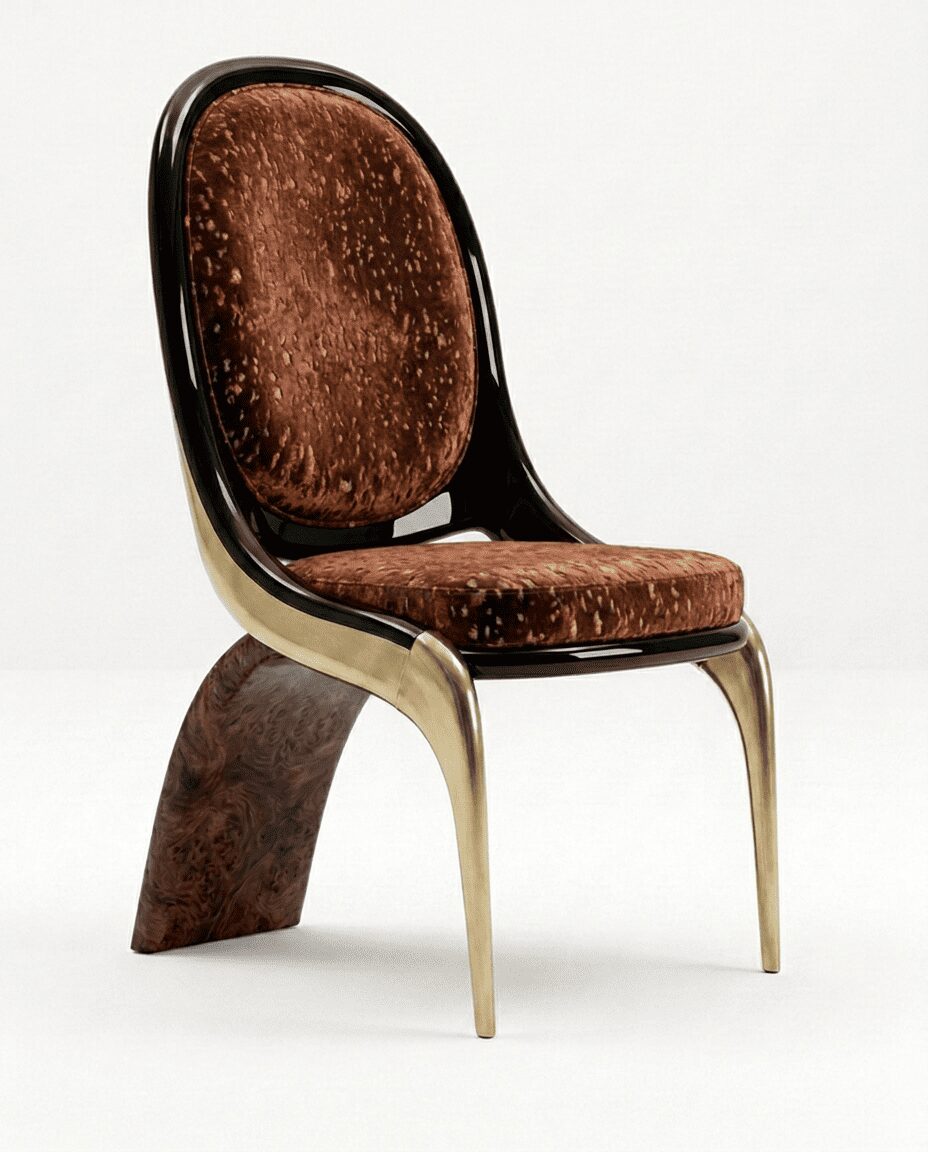
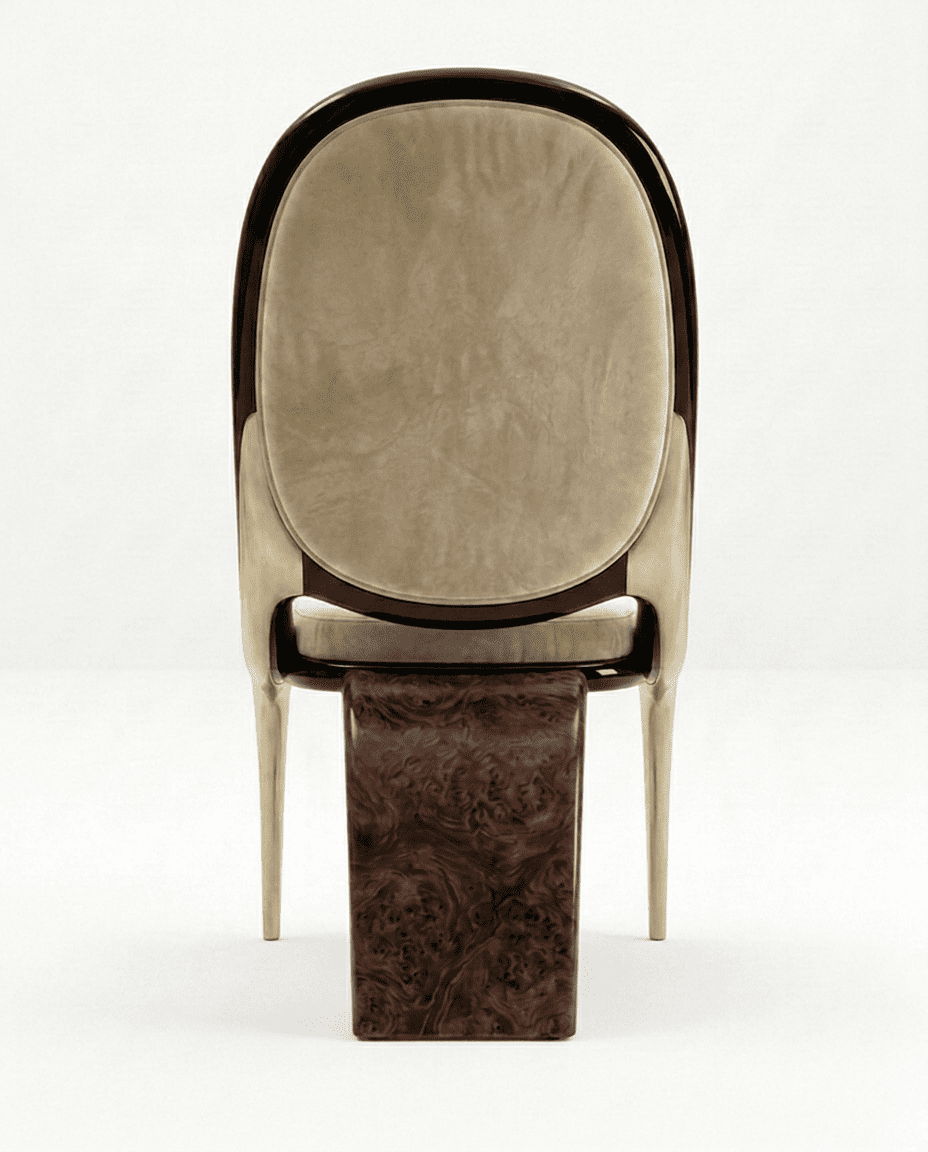
Before the world knew her as Coco, she was simply Gabrielle — and this chair’s architectural boldness and sculptural rear support honor the designer who argued, through clothing alone, that a woman didn’t need ornament to be powerful. Restraint, in her hands, became its own form of authority.
Jeanne Console with Mirror — Jeanne Lanvin
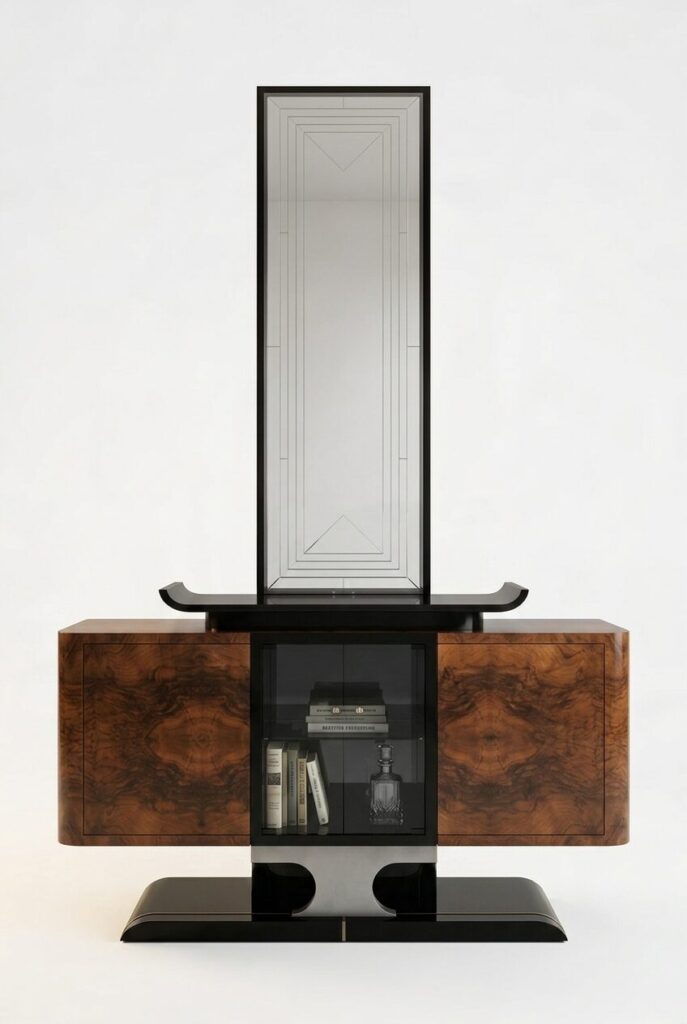
The tall geometric mirror and commanding pedestal base honor Jeanne Lanvin, who built one of Paris’s grand couture houses on sweeping, romantic robes de style even as the era streamlined around her, and who opened her own interior design department, Lanvin Décoration, in 1921. A woman who ran an empire of beauty entirely on her own terms.
Elsa Console with Mirror — Elsa Schiaparelli
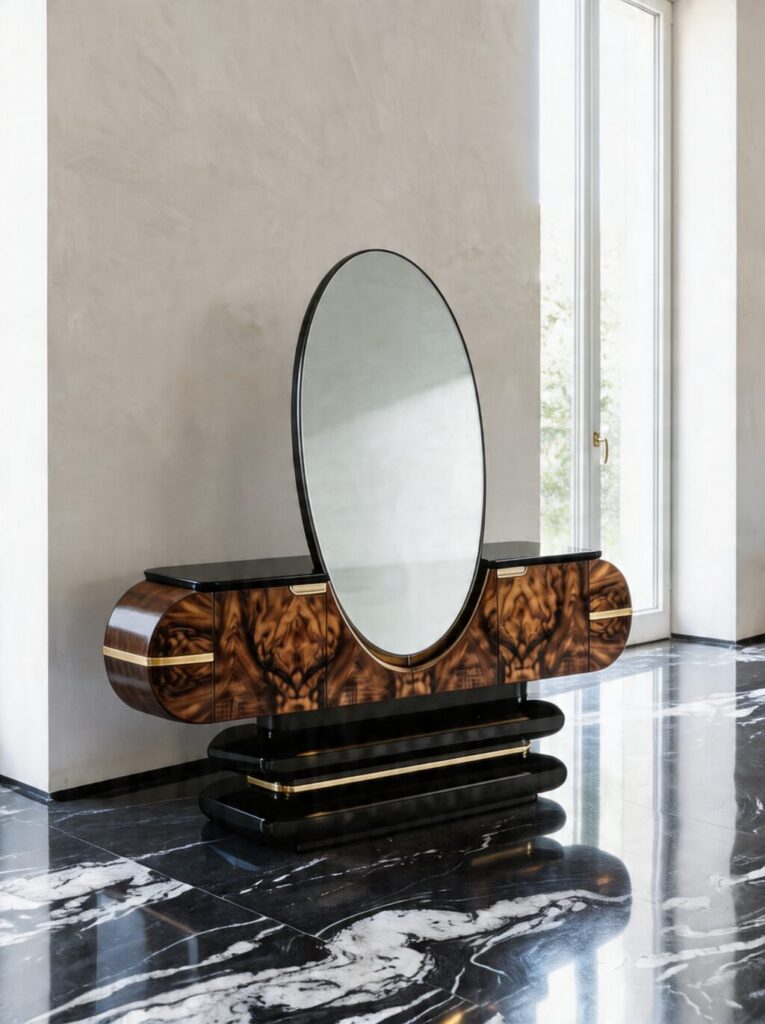
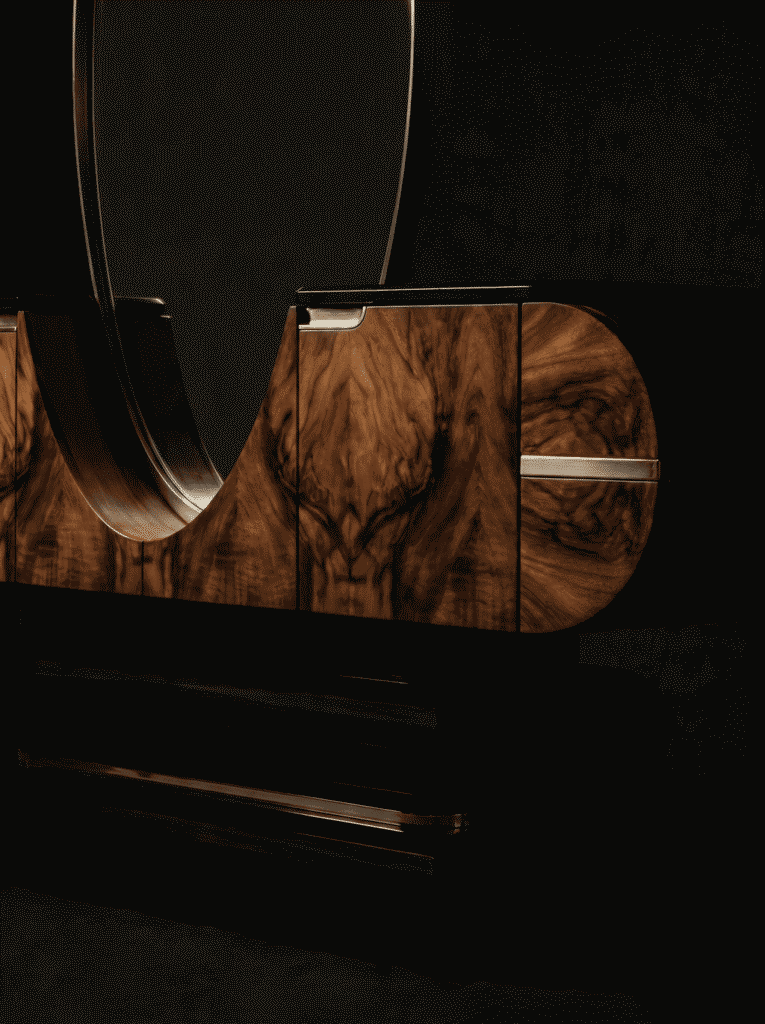
Where Chanel favored restraint, Elsa Schiaparelli favored wit — collaborating with Salvador Dalí, dressing women in lobster prints and shocking pink, and treating a garment as something that ought to startle you, just a little. This console’s sculptural base and balanced curves carry a little of that same spirited confidence: proof femininity never had to mean quiet.
Eleanor Armoire — Eleanor Roosevelt
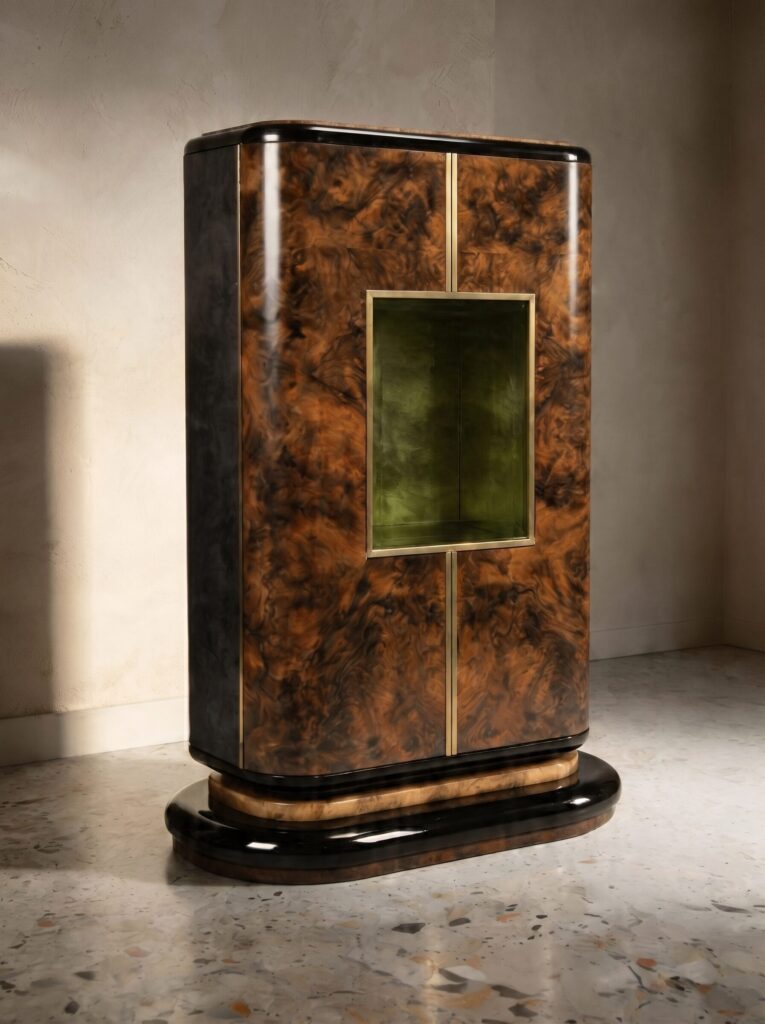
All architectural severity on the outside, all luminous glamour within — the recessed niche finished in hand-applied silver leaf is a tribute to Eleanor Roosevelt, who built her own career in New York politics through the 1920s in step with the women of Paris, reinvented what a First Lady could be, and later chaired the drafting of the Universal Declaration of Human Rights. A poised exterior with something far more radical humming underneath it, honored here in wood and lacquer.
Florence Bar Cabinet — Florence Yoch and Lucile Council
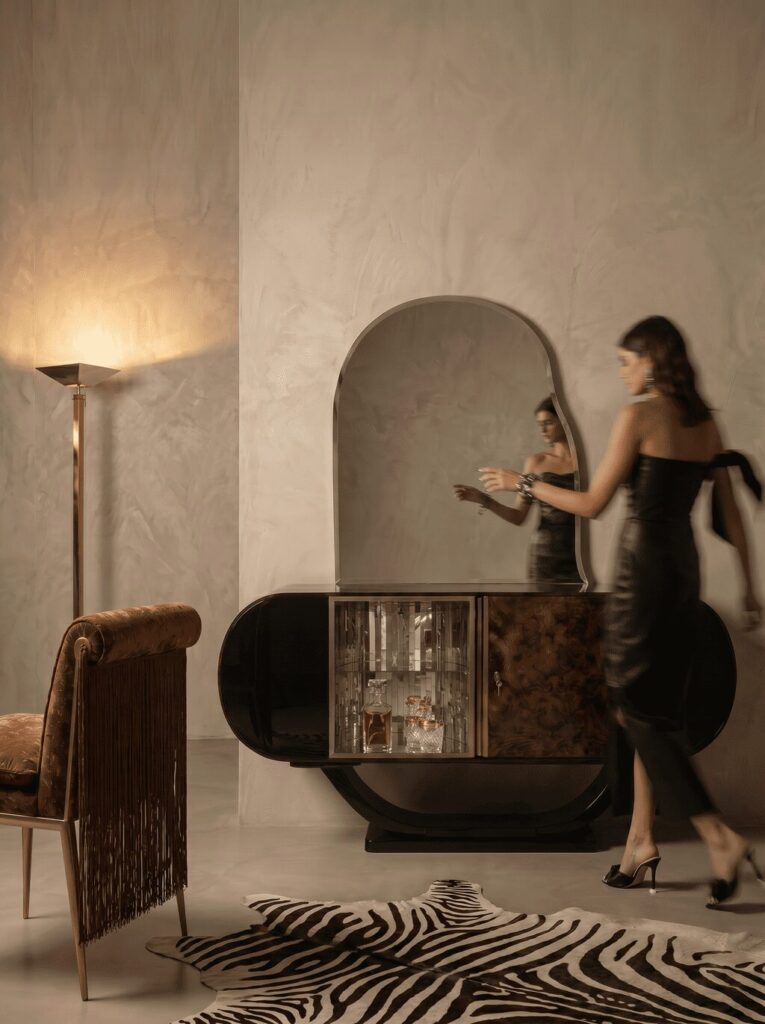
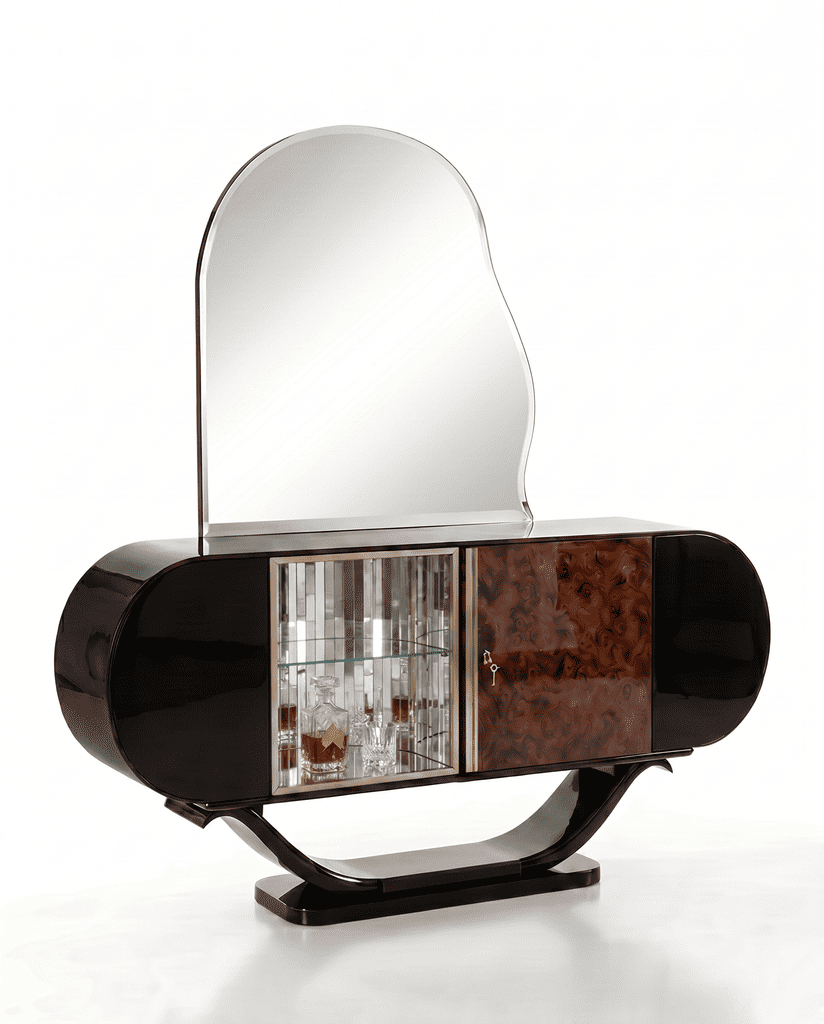
The illuminated interior and mirrored glass mosaic carry the name of Florence Yoch, who — together with her business and life partner Lucile Council — built one of the era’s great landscape architecture practices in Pasadena, California. Over four decades and more than 250 commissions, including the gardens for Gone with the Wind, the pair worked under two names and one studio door, no explanation offered or required. A partnership worth celebrating exactly as it was.
Beyond the Namesakes
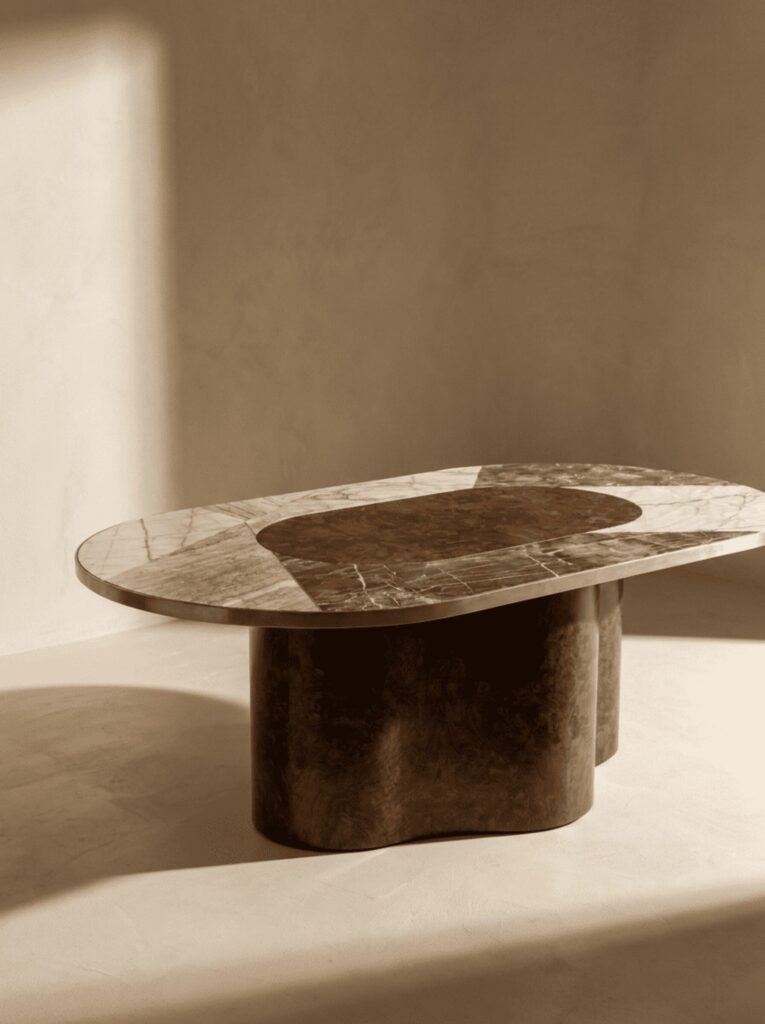
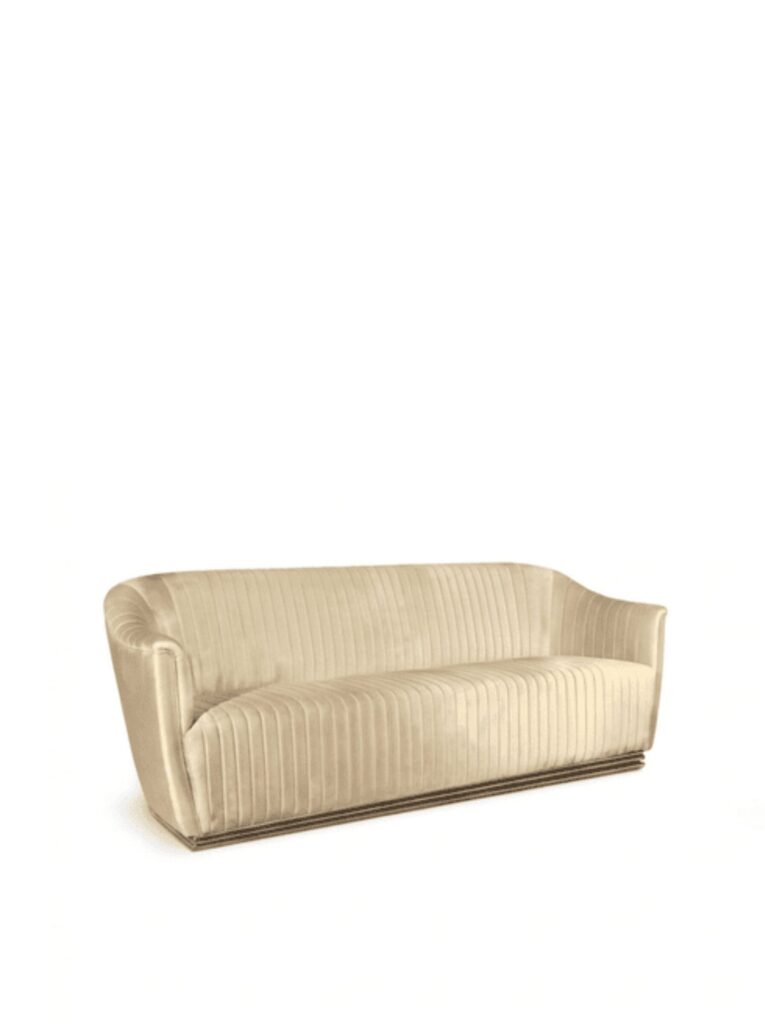
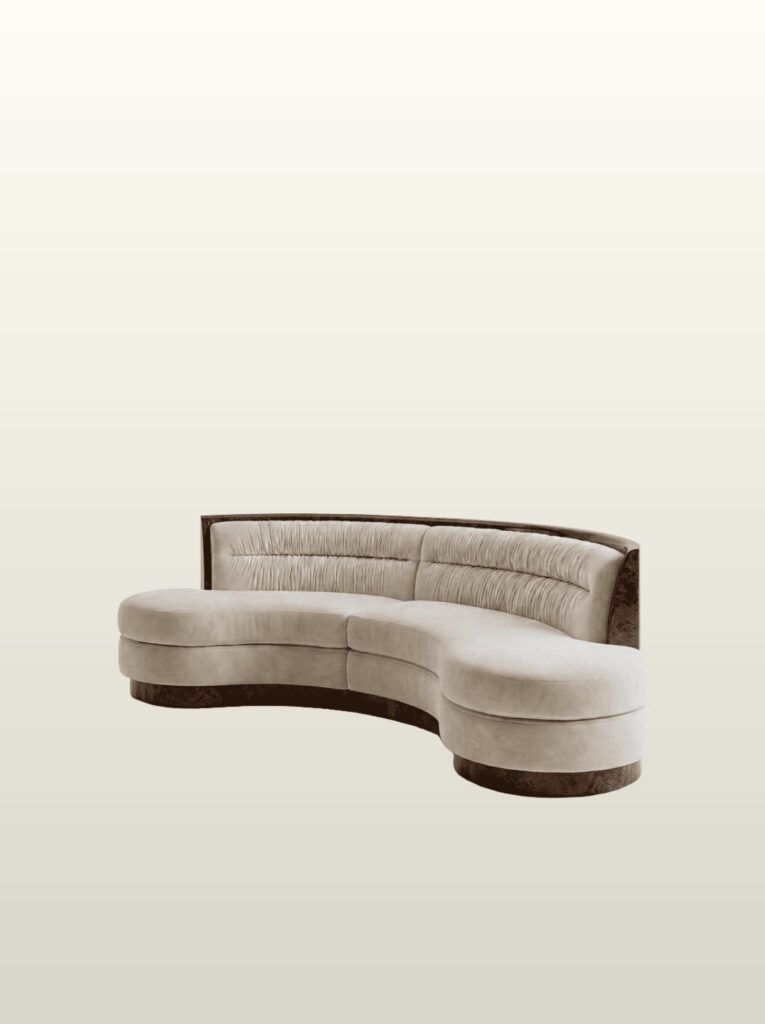
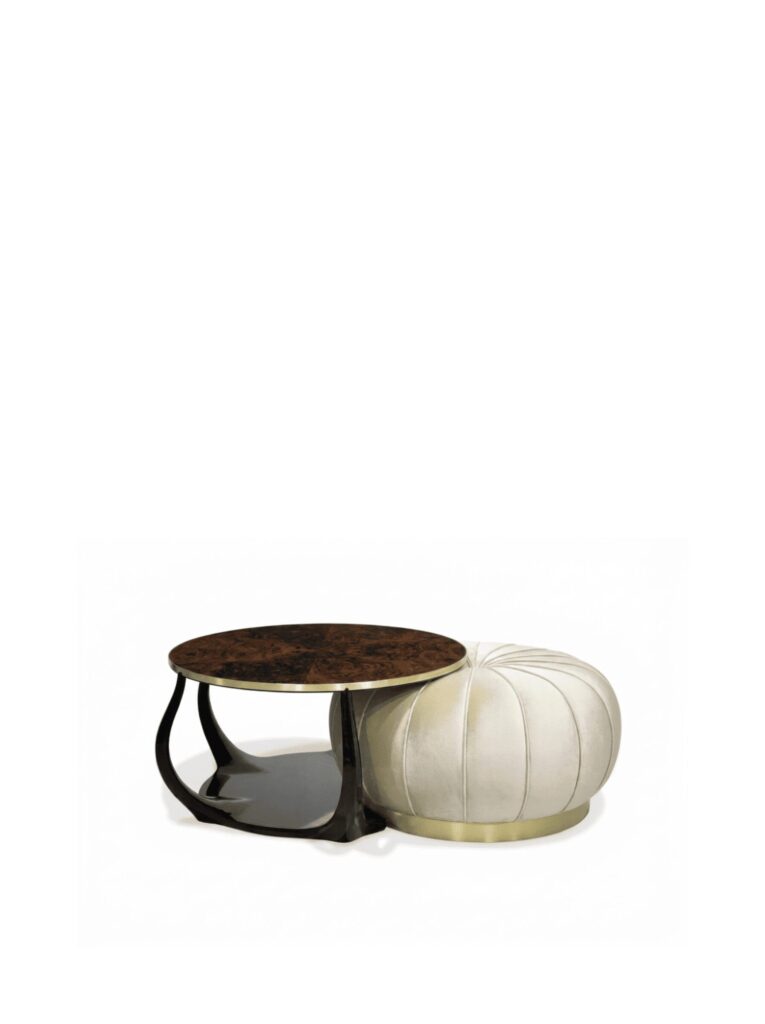
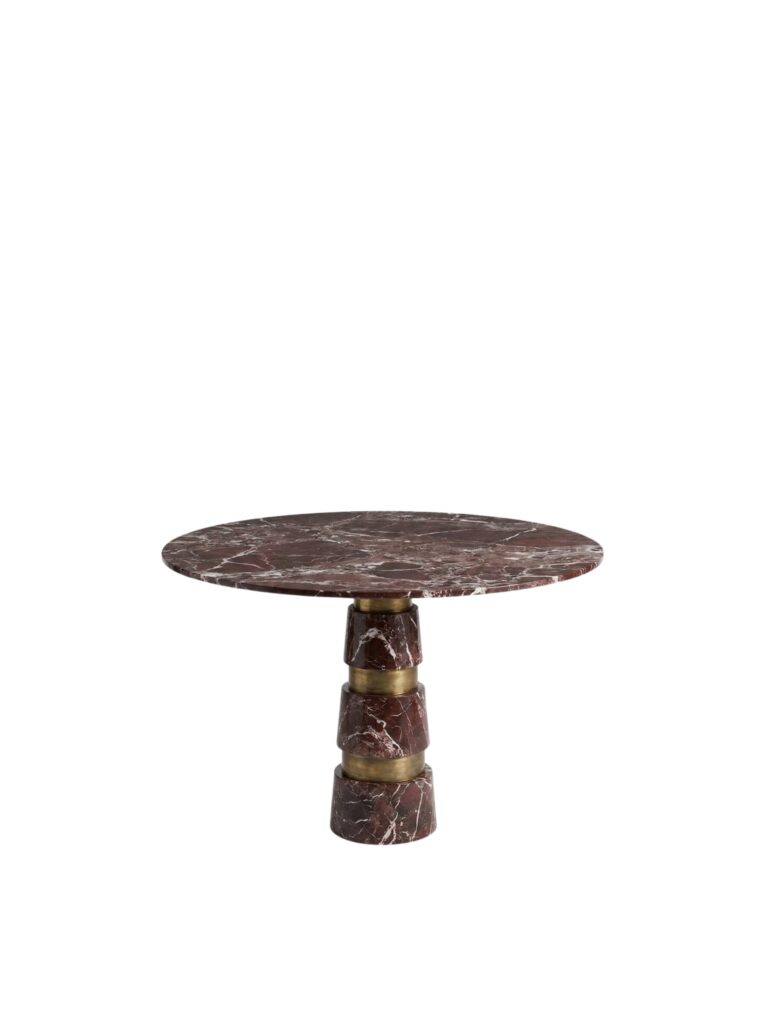
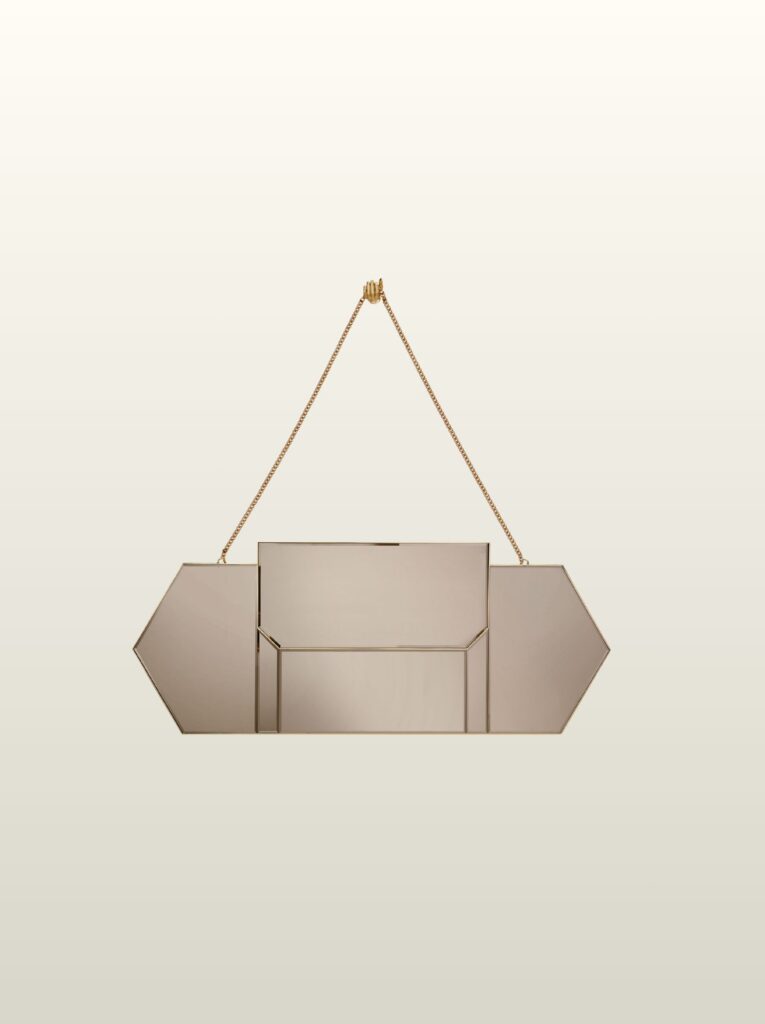
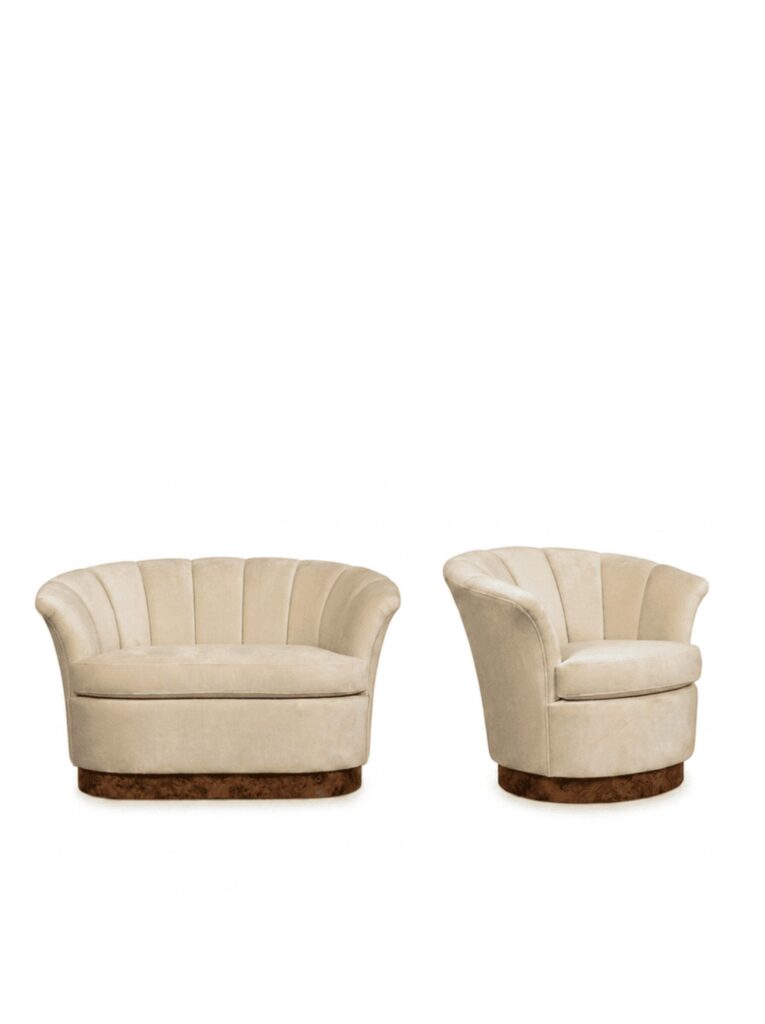
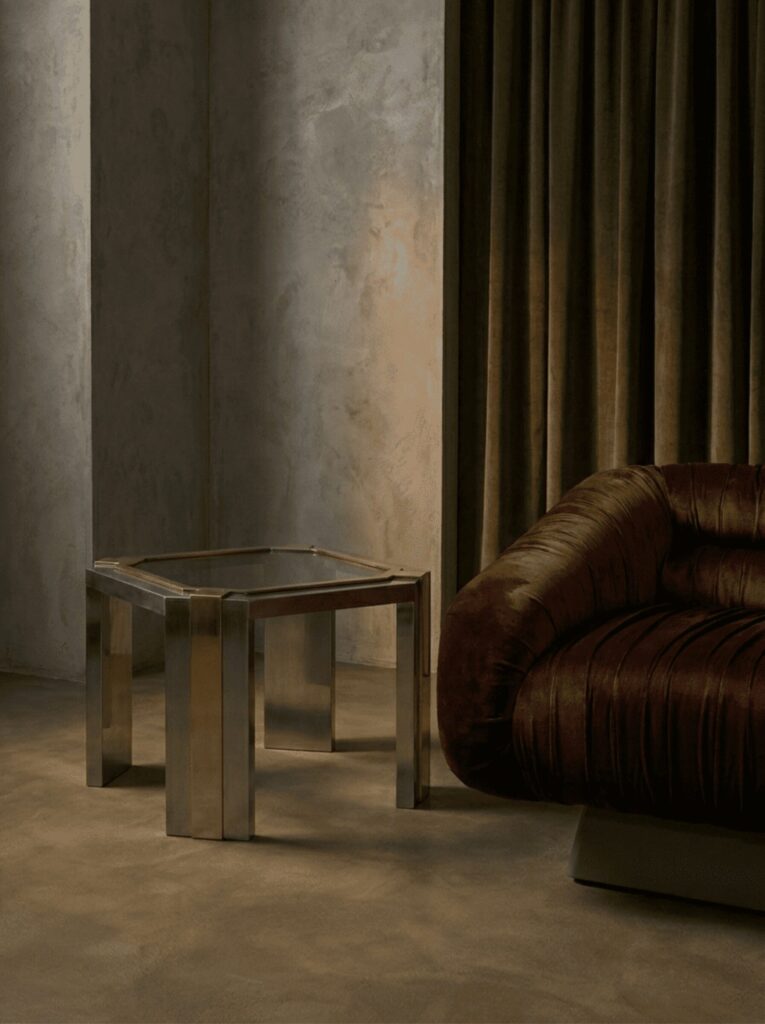
Not every piece in the collection carries a name pulled from a specific woman — some, like the Esmé Sideboard, draw instead on the era’s archetypes rather than a single namesake, in keeping with KOKET’s tradition of naming pieces after “the women and archetypes” of a given world. And the KOKET icons selected for the collection — Minx, Embrace, Avalanche, Decodiva, Egoist, Mandy, Besame, Mia, Cocktail, and Lovely — were chosen because their geometry and sensuality already belonged to this world, long before this collection gave it a name.
An Art Deco Collection Built on Gratitude
Taken together, these thirteen names are less a naming convention than a roll call. Every one of them belonged to a woman who built something — a chair, a portrait, a fashion house, a piece of history — without waiting for permission to do it. Naming a console or a dining chair after her doesn’t repay that debt, exactly. But it’s a way of saying her name where people will hear it, in a home, in daily use, a century on.
That’s what “empowering through design” has always meant at KOKET: not a tagline, but a practice of putting women — their names, their stories, their nerve — at the actual center of the room. The Women of Art Deco just makes that practice explicit. It’s the same instinct now driving neo art deco interior design back into the spotlight in 2026: not a new invention, but a return. KOKET didn’t just borrow Art Deco’s materials for this collection. It borrowed its women, and said thank you the best way it knows how.
As the collection’s own closing words put it: “She is not a memory of the past. She is a presence that endures. And in her honor, we create.”
Explore the full collection at bykoket.com/women-of-art-deco.